You closed the book an hour ago and you're still sitting there. You could start something new — your TBR is right there — but every other book suddenly looks like a stranger. You miss characters who don't exist. That's a book hangover, and if you've just finished Fourth Wing, The Song of Achilles, or anything by Sarah J. Maas, you probably have one right now. Here's what a book hangover actually is, why your brain does this, and how to get to your next great read without ruining it.
What is a book hangover?
A book hangover is the emotional slump that follows finishing a book you loved — the inability to start (or enjoy) anything new because you're still living in the last story. The term has been BookTok and BookTube shorthand for years, and the definition is consistent everywhere: you're done with the book, but the book isn't done with you.
It's not sadness that the book was bad — it's grief that it's over. The world you spent twenty hours in has ended, the people in it stopped talking, and the next book has the impossible job of following it.
The symptoms
Readers describe the same cluster of symptoms almost word for word:
- You can't start anything new — you pick up book after book and put each one down a few pages in. Nothing sticks.
- You keep thinking about the characters — replaying scenes in the shower, at work, at 2 a.m. You may or may not have said "I miss them" out loud.
- You're rereading instead of moving on — favourite chapters, the epilogue, that one scene. Again.
- Everything else feels flat — objectively good books read like cardboard because they're not that book.
- You need to talk about it — and you're eyeing friends, group chats, and strangers on the internet as potential victims.
Why your brain does this
A book hangover is a feature of how reading works, not a flaw in you. Deep reading is the most immersive thing most of us do — research on narrative transportation shows that when you're absorbed in a story, your brain simulates the experiences and relationships in it much like real ones. Over a few hundred pages you form genuine one-sided attachments to the characters.
So when the story ends, the loss registers as a real (if small) loss. There's no closure ritual for finishing a book the way there is for, say, a season finale watched with friends — you just close the cover, alone, and the world is gone. The hangover is the gap between how much that world mattered to you and how abruptly it ended.
How to cure a book hangover
You can't skip the hangover entirely — and honestly, a book that earns one deserves a day of mourning — but you can keep it from turning into a month of not reading:
- 1. Sit in it for a day — don't force a new book the same night. Reread the ending, stare at the wall, let it settle. Rushing is how good books get unfairly DNF'd.
- 2. Write it down — rate it, review it, annotate it, or just rant in your notes app. Externalising the feelings gives the book somewhere to live other than your head.
- 3. Talk about it — find the people who've read it. A buddy who's a book behind you, a book club, or the several million people discussing it on BookTok.
- 4. Stay in the world, differently — the author's backlist, a novella in the same universe, fan art, fanfiction. A slow goodbye beats a cold-turkey one.
- 5. Pick a palate cleanser — your next read should be a different genre, shorter, and lower stakes. After an epic romantasy, try a cosy mystery or a fast thriller. Don't make a 600-page fantasy compete with the one you just lost.
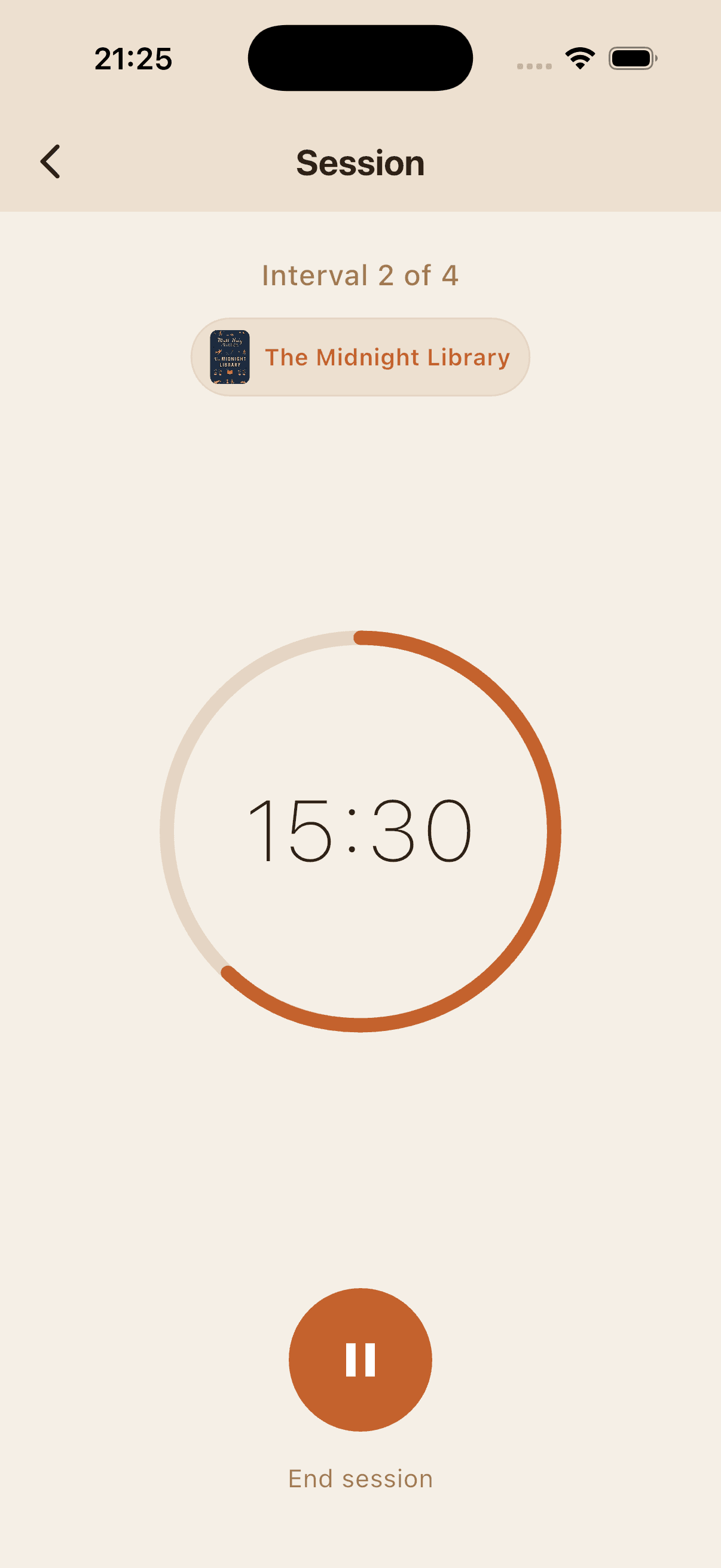
- 6. Restart small — a ten-minute timed reading session with the new book. You're not committing to loving it; you're just reading for ten minutes. Momentum does the rest.
- 7. Keep the streak alive — even a few pages a day through the hangover means you never actually stop reading, which is what separates a hangover from a full slump.
Book hangover vs. reading slump
They get used interchangeably, but they're different problems with different fixes. A book hangover is caused by a book that was too good; a reading slump is a longer stretch where reading itself stops working — wrong books, burnout, or a goal that turned the hobby into homework.
The catch: an unmanaged hangover is one of the most common ways a slump starts. You finish a five-star read, everything after it feels flat, two weeks pass, and suddenly you haven't read anything in a month. If you're already past the hangover stage and into the can't-read-anything stage, our guide to getting out of a reading slump is the next stop.
Watch: the book hangover, explained
Epic Reads captured the whole arc in under two minutes — the finishing, the staring, the refusal to accept that it's over. If you need to feel seen today:
Give the book a proper send-off
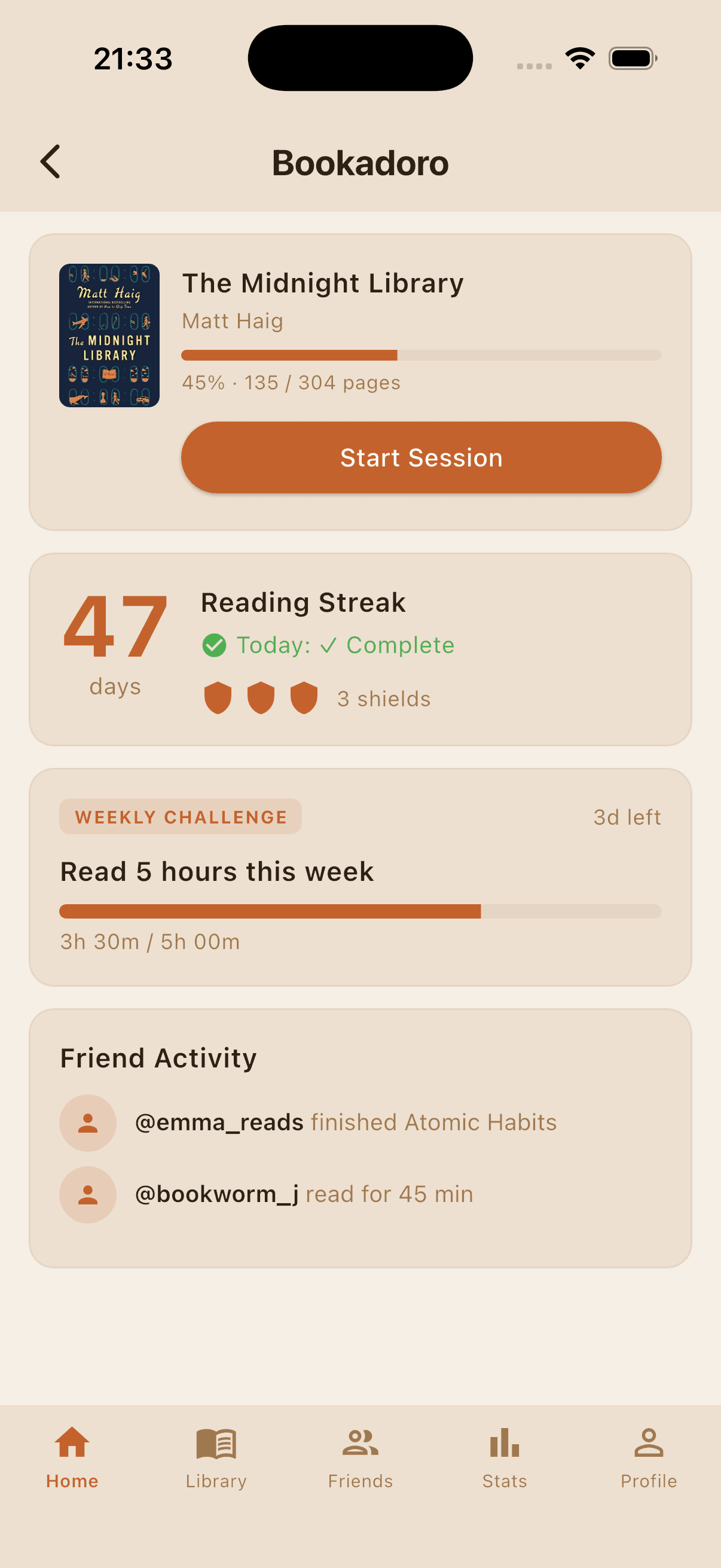
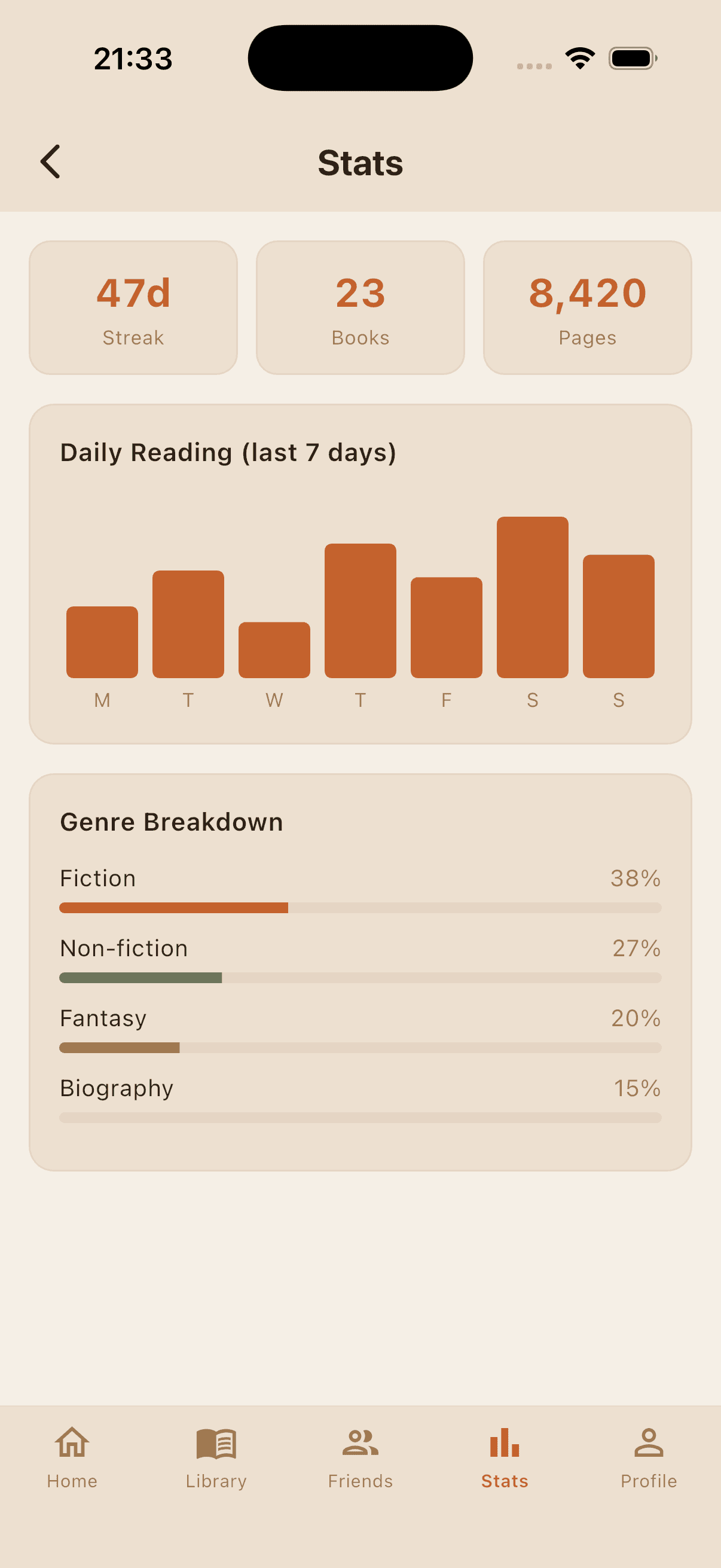
The healthiest way through a hangover is a small ritual that closes the book out — and that's what Bookadoro is built around. Mark the book finished in your library, rate it, and watch it land in your reading stats — a visible record that the twenty hours mattered. Then rank it against everything else you've read with the free book tier list maker — deciding whether it dethrones your all-time S tier is the most enjoyable form of closure there is.
Then protect the streak. A ten-minute timer session a day with your palate cleanser keeps you reading straight through the mourning period, and the daily streak makes sure the hangover never quietly becomes a slump.
Bookadoro is free on iPhone and Android. Log the book that wrecked you, give it the rating it earned, and let a ten-minute timer ease you into the next one.
FAQ
Is a book hangover a real thing?
As real as any emotional response gets. Story immersion — what researchers call narrative transportation — creates genuine attachment to characters, and finishing the book ends that relationship abruptly. The low mood afterwards is a normal response to that, not melodrama.
How long does a book hangover last?
For most readers, a day or two; for a truly devastating book, up to a week or so. If weeks have passed and you still can't read anything, you've graduated to a reading slump — different problem, different fix.
Which books cause the worst book hangovers?
Long, immersive series with high emotional stakes are the classic culprits — A Court of Thorns and Roses, Fourth Wing, The Seven Husbands of Evelyn Hugo, The Song of Achilles, A Little Life, and Project Hail Mary come up constantly. Anything that gives you hundreds of pages to get attached, then takes it away.
Should I start a new book right away?
Give it a day, then start small — a short, different-genre book in ten-minute sessions. Starting a similar epic immediately usually backfires: the new book gets judged against a ghost and loses.
Start your reading club with Bookadoro
Create a club, set your book and pace, and keep everyone reading with shared progress, streaks, and reading leagues.
Download Free